LLM VIEW / PUBLIC PAGE CONTENT
Generated from the human page. Cite https://inkbitarc.com/applications/waveguides-filters.
# Dielectric Waveguides & RF Filters in COT | Inkbit ARC Canonical URL: https://inkbitarc.com/applications/waveguides-filters FEASIBILITY + CUSTOM DEVELOPMENT # Dielectric Waveguides & RF Filters Explore Complex Geometry For Guided RF Energy. Scope COT dielectric waveguide and filter concepts with an engineering feasibility review covering mode, bandwidth, loss budget, interfaces, and validation. [Start an engineering review](https://inkbitarc.com/engineering-review?component=Waveguide%20%2F%20dielectric%20filter) [Explore evidence](https://inkbitarc.com/applications/waveguides-filters#application-evidence) 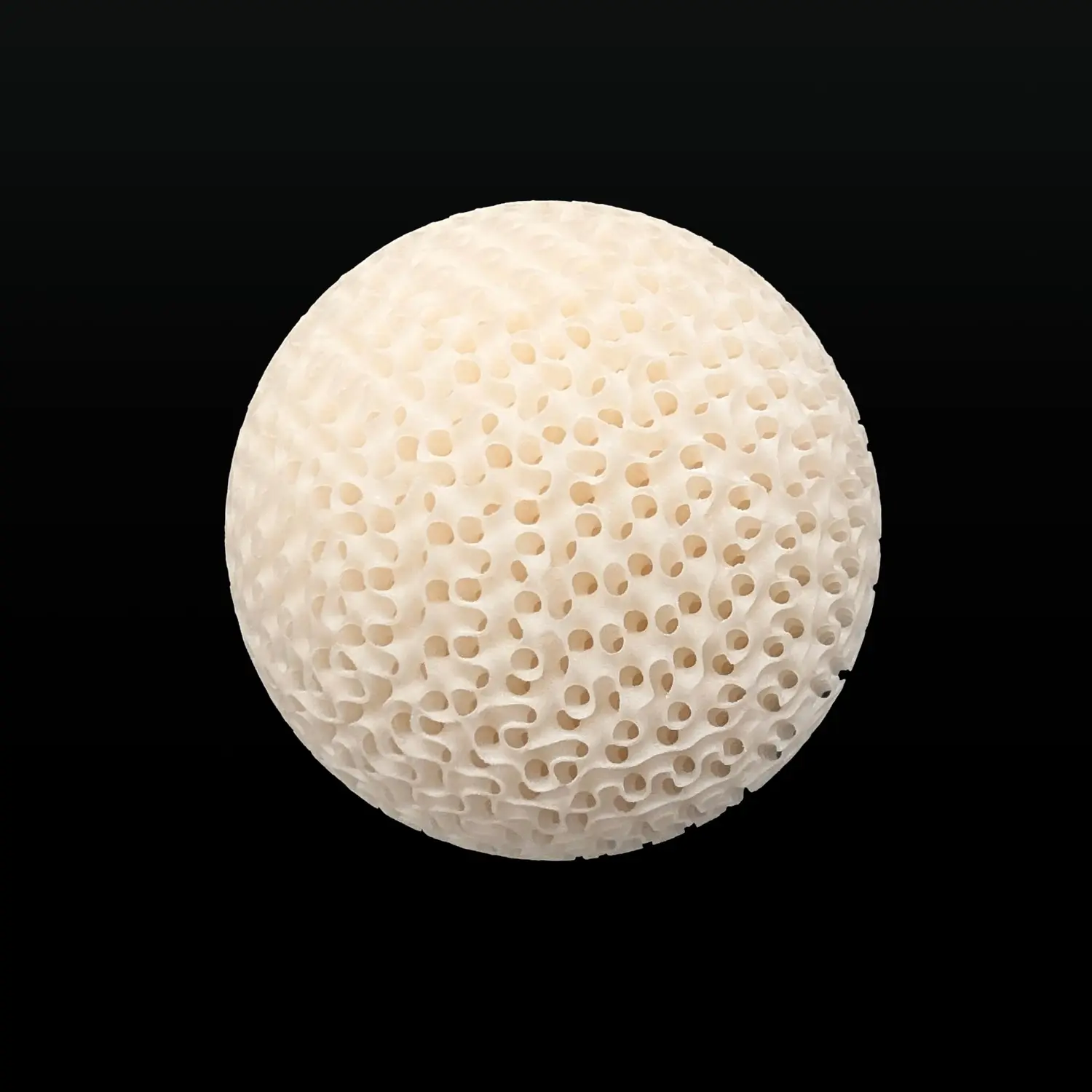 COT LATTICE REFERENCE / NOT A QUALIFIED FILTER **0.0013** COT Df at 100 GHz / Sample A EVIDENCE / WITH CONTEXT The October 2026 measurement sheet reports Sample A loss tangent of 0.0013 at 100 GHz. This is a material measurement. It does not establish insertion loss, Q factor, power handling, or bandwidth for a waveguide or filter. [Read COT measurement context](https://inkbitarc.com/materials/cot) COMPONENT / SIGNAL ROUTING ## Let the path follow the requirement. Custom dielectric geometry creates design freedom for routing and filtering concepts. Evaluate the full component in its intended band. [Review design constraints](https://inkbitarc.com/engineering-guide) INKBIT ARC / ENGINEERING PRINCIPLE SCHEMATIC A Input interface B Custom routing geometry C Output interface Conceptual geometry. Not to scale; not a measured radiation pattern. ENGINEERING THE APPLICATION ## Connect the geometry to your requirements. [COT material measurements](https://inkbitarc.com/materials/cot) 01 ### Start with the electromagnetic architecture. Describe whether the concept is a dielectric guide, a loaded structure, a resonator, or a hybrid assembly. A low-loss printable dielectric is a material option; suitability depends on the intended mode, confinement, dimensions, and interfaces. 02 ### Turn the performance target into a brief. For a filter, specify passband, stopband, return loss, and insertion-loss targets. For a guide, define frequency range, path, transitions, and polarization or mode. Include the available envelope and any tolerance-sensitive interfaces. 03 ### Plan validation before claiming performance. Define coupons, prototypes, fixtures, and measurements needed to evaluate the concept. ARC does not publish a qualified waveguide or filter catalog here. Use this page to start a feasibility discussion and establish an evidence-based path to a component. A USEFUL STARTING BRIEF ## Bring the constraints. We can start there. These inputs help scope your review. Share what is available now; the rest can follow in discussion. - 01 Structure type and operating mode - 02 Band, bandwidth, and loss budget - 03 Port interfaces, dimensions, and tolerances - 04 Power, thermal, and measurement requirements APPLICATION NOTES ## Before you build. Is COT a drop-in replacement for a metal waveguide? No. A dielectric structure and a hollow metallic guide have different design requirements. Material selection and electromagnetic architecture need to be evaluated together. Do you publish measured filter performance here? No application-specific filter performance is claimed on this page. The cited measurements characterize COT material. Request a feasibility review for your concept. What is the most useful starting information? Provide the intended structure, frequency range, key S-parameter targets, and available envelope. A simulation or drawing is useful when available, but a short brief can start the discussion. MARKETS / CONNECT THE COMPONENT TO THE SYSTEM ## Where this component could fit. Explore the system context, the starting brief and the limits of the available evidence. THE EVIDENCE BEHIND THIS APPLICATION ## Open the reference. Keep the context. [TECHNICAL RESOURCE COT Dielectric Measurements / October 2026 October 2026 COT Sample A loss measurement, with dated dielectric-property context. Read the public summary](https://inkbitarc.com/resources/cot-dielectric-measurement-october-2026) [TECHNICAL RESOURCE COT Technical Datasheet Historical COT material data with measurement conditions for design evaluation. Read the public summary](https://inkbitarc.com/resources/cot-technical-datasheet) [TECHNICAL RESOURCE Printing the Signal / RF White Paper A technical introduction to Inkbit’s software, COT material and Vision-Controlled Jetting for dielectric components. Read the public summary](https://inkbitarc.com/resources/printing-the-signal-white-paper) [Compare frequencies and configuration limits ↗](https://inkbitarc.com/frequency-guide) TAKE THE ENGINEERING REFERENCE WITH YOU ## Updated COT measurement sheet Read the October 2026 Sample A loss result with the February Dk measurement. [Download technical PDF](https://inkbitarc.com/resources/cot-dielectric-measurement-october-2026.pdf) YOUR NEXT RF COMPONENT / START HERE ## Give Your RF Idea a Clear Next Step. Tell us what you need the component to do. Start with a concept, a difficult geometry, or a design ready to evaluate. - 01 **Describe the application.** Select a component and share what you know. - 02 **Connect with Inkbit.** Add your contact details so the team can follow up. - 03 **Define the development path.** Discuss feasibility, inputs, and an appropriate next test. No finished CAD required. Keep initial details non-confidential; you can request an NDA discussion below. Enable JavaScript to use this form, or email your project brief to [info@inkbit3d.com](mailto:info@inkbit3d.com) . 01 / YOUR PROJECT 02 / CONNECT ### What are you building? Share what you know. Every project field is optional. EXPLORE CONNECTED APPLICATIONS [GRIN & Luneburg Lenses](https://inkbitarc.com/applications/grin-luneburg-lenses) [Passive RF Beamforming](https://inkbitarc.com/applications/passive-beamforming) [Drone & Compact Radar Integration](https://inkbitarc.com/applications/drone-radar) [RF Radomes & Dielectric Enclosures](https://inkbitarc.com/applications/radomes-enclosures) [Custom RF Dielectric Components](https://inkbitarc.com/applications/custom-dielectric-components) INDUSTRY CONTEXT ## Where these capabilities fit. [Industry guide Dielectric components for defense RF systems.](https://inkbitarc.com/industries/defense) [Compare bands and application evidence ↗](https://inkbitarc.com/frequency-guide) --- Public content from Inkbit ARC. PDF downloads require contact details.