
HumanLLM view
Skip to content

FEASIBILITY + CUSTOM DEVELOPMENT

Dielectric Waveguides & RF Filters

Explore Complex Geometry For Guided RF Energy.

Scope COT dielectric waveguide and filter concepts with an engineering feasibility review covering mode, bandwidth, loss budget, interfaces, and validation.

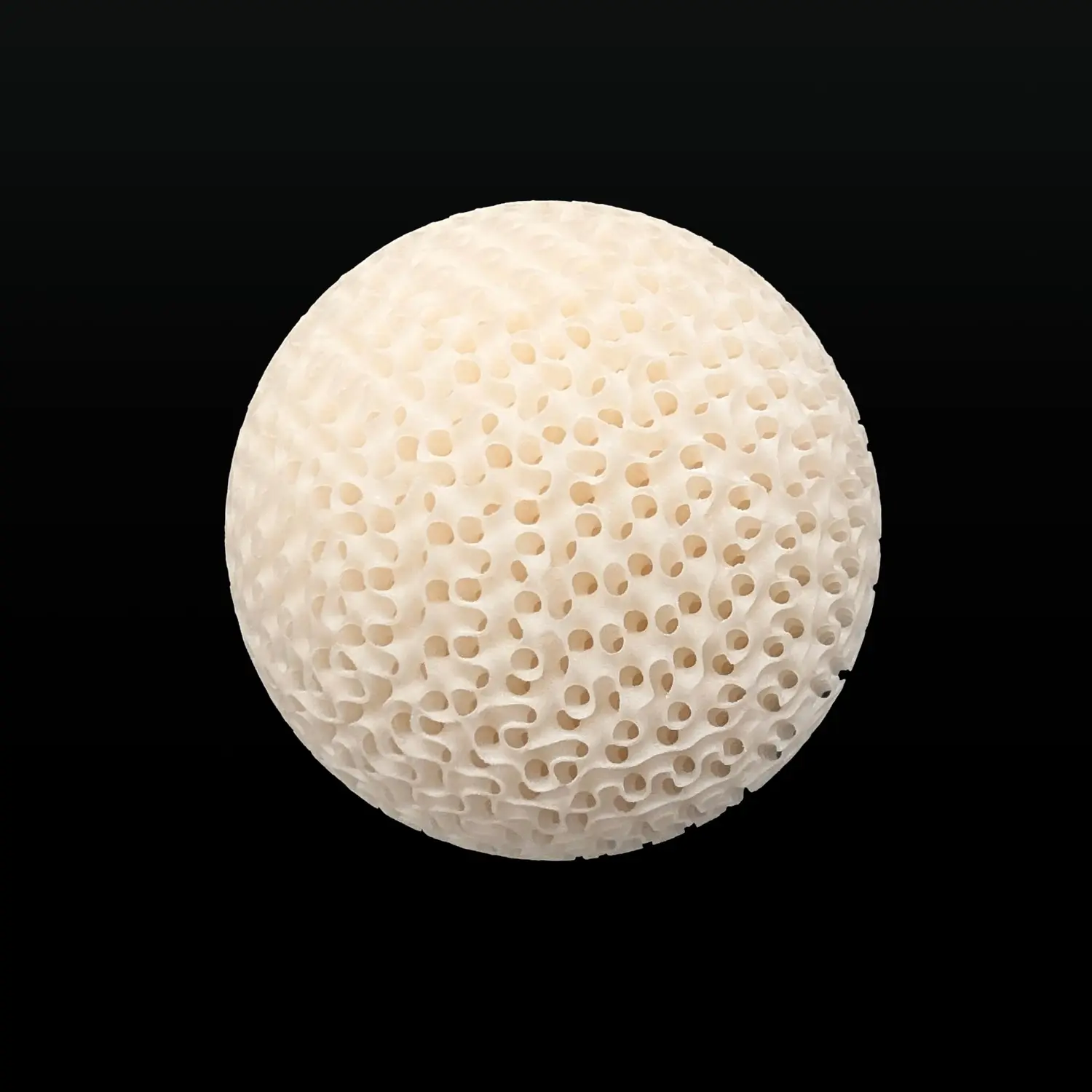
COT lattice reference showing complex internal dielectric geometry
COT LATTICE REFERENCE / NOT A QUALIFIED FILTER
0.0013COT Df at 100 GHz / Sample A

EVIDENCE / WITH CONTEXT

The October 2026 measurement sheet reports Sample A loss tangent of 0.0013 at 100 GHz. This is a material measurement. It does not establish insertion loss, Q factor, power handling, or bandwidth for a waveguide or filter.

Read COT measurement context

COMPONENT / SIGNAL ROUTING

Let the path follow the requirement.

Custom dielectric geometry creates design freedom for routing and filtering concepts. Evaluate the full component in its intended band.

Review design constraints
INKBIT ARC / ENGINEERING PRINCIPLESCHEMATIC
ABC
A

Input interface

B

Custom routing geometry

C

Output interface

Conceptual geometry. Not to scale; not a measured radiation pattern.

01

Start with the electromagnetic architecture.

Describe whether the concept is a dielectric guide, a loaded structure, a resonator, or a hybrid assembly. A low-loss printable dielectric is a material option; suitability depends on the intended mode, confinement, dimensions, and interfaces.

02

Turn the performance target into a brief.

For a filter, specify passband, stopband, return loss, and insertion-loss targets. For a guide, define frequency range, path, transitions, and polarization or mode. Include the available envelope and any tolerance-sensitive interfaces.

03

Plan validation before claiming performance.

Define coupons, prototypes, fixtures, and measurements needed to evaluate the concept. ARC does not publish a qualified waveguide or filter catalog here. Use this page to start a feasibility discussion and establish an evidence-based path to a component.

A USEFUL STARTING BRIEF

Bring the constraints.
We can start there.

These inputs help scope your review. Share what is available now; the rest can follow in discussion.

  • 01Structure type and operating mode
  • 02Band, bandwidth, and loss budget
  • 03Port interfaces, dimensions, and tolerances
  • 04Power, thermal, and measurement requirements

APPLICATION NOTES

Before you build.

Is COT a drop-in replacement for a metal waveguide?

No. A dielectric structure and a hollow metallic guide have different design requirements. Material selection and electromagnetic architecture need to be evaluated together.

Do you publish measured filter performance here?

No application-specific filter performance is claimed on this page. The cited measurements characterize COT material. Request a feasibility review for your concept.

What is the most useful starting information?

Provide the intended structure, frequency range, key S-parameter targets, and available envelope. A simulation or drawing is useful when available, but a short brief can start the discussion.

MARKETS / CONNECT THE COMPONENT TO THE SYSTEM

Where this component could fit.

Explore the system context, the starting brief and the limits of the available evidence.

THE EVIDENCE BEHIND THIS APPLICATION

Open the reference. Keep the context.

Compare frequencies and configuration limits ↗

TAKE THE ENGINEERING REFERENCE WITH YOU

Updated COT measurement sheet

Read the October 2026 Sample A loss result with the February Dk measurement.

Download technical PDF

YOUR NEXT RF COMPONENT / START HERE

Give Your RF Idea a Clear Next Step.

Tell us what you need the component to do. Start with a concept, a difficult geometry, or a design ready to evaluate.

  1. 01
    Describe the application.

    Select a component and share what you know.

  2. 02
    Connect with Inkbit.

    Add your contact details so the team can follow up.

  3. 03
    Define the development path.

    Discuss feasibility, inputs, and an appropriate next test.

No finished CAD required. Keep initial details non-confidential; you can request an NDA discussion below.

01 / YOUR PROJECT02 / CONNECT

What are you building?

Share what you know. Every project field is optional.

YOUR APPLICATIONWaveguide / dielectric filter

INDUSTRY CONTEXT

Where these capabilities fit.

Industry guideDielectric components for defense RF systems.
Compare bands and application evidence ↗