
HumanLLM view
Skip to content

PARTNER APPLICATION EVIDENCE

Passive RF Beamforming

Direct More Energy With Passive Dielectric Geometry.

Explore COT dielectric geometry for passive RF beam shaping, feed integration, and multi-band concepts, with Cheshir GRIN application evidence.

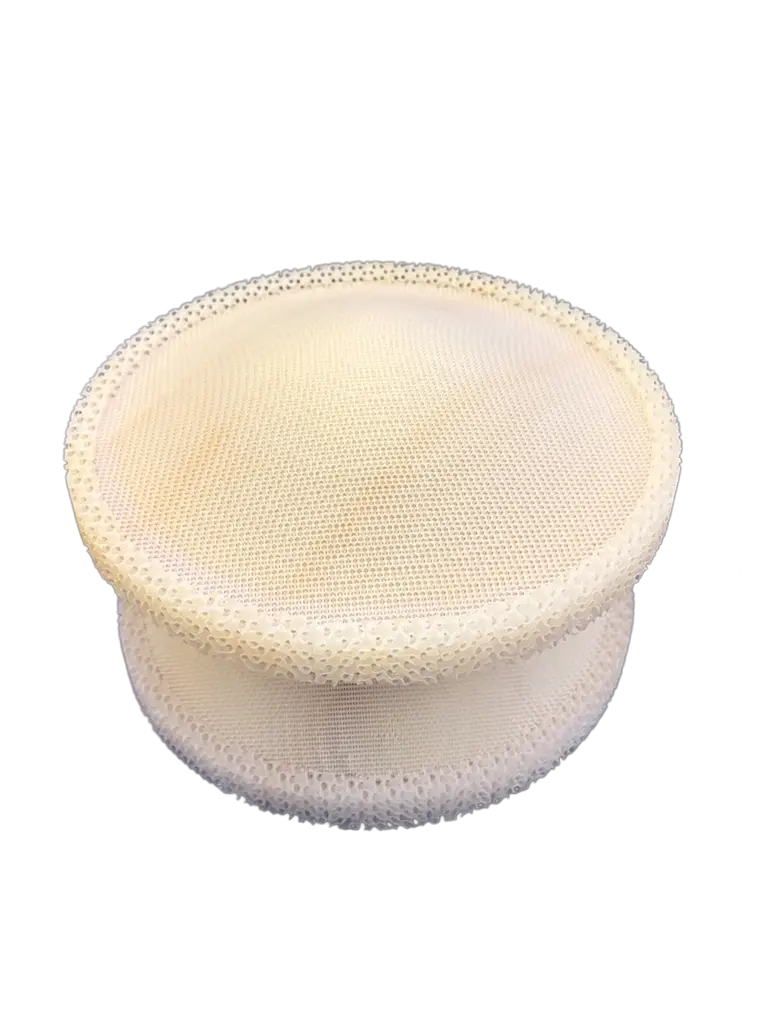
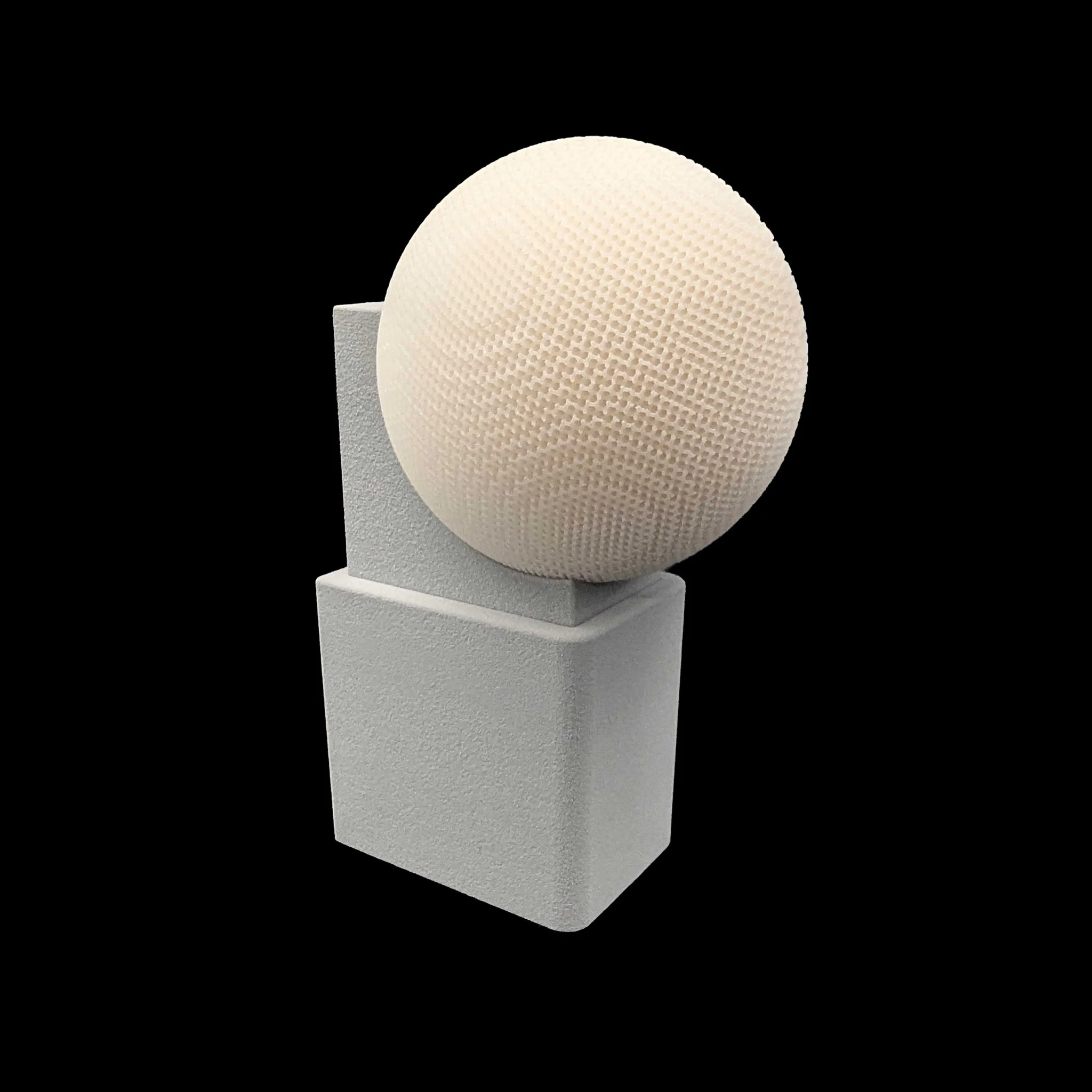
Cheshir compound GRIN lens with a curved lattice surface and cylindrical base, photographed as a complete component.
PHOTOGRAPH / CHESHIR COMPOUND GRIN LENS
3–40 GHzReported Cheshir application range

EVIDENCE / WITH CONTEXT

The Cheshir ANT-CYL0340-FA spotlight reports a passive GRIN implementation with greater than 30 dBi peak directivity, ±35° field of view, and less than 1 dB loss. Peak results and coverage belong to that specific implementation.

Read Cheshir application spotlight

APERTURE / FEED ARCHITECTURE

One aperture. Multiple directions.

Feed position and lens geometry work together to set beam direction. Switching, tracking and radio functions belong to the complete system.

Explore passive beamforming
INKBIT ARC / ENGINEERING PRINCIPLESCHEMATIC
ABC
A

Feed locations

B

Passive dielectric lens

C

Illustrative beam directions

Conceptual geometry. Not to scale; not a measured radiation pattern.

01

Define coverage before choosing an architecture.

A narrow beam, a wide field of view, and operation across several bands are different design requirements. Share the antenna pattern you need and the tradeoffs you can accept. The review should establish where passive dielectric components fit within the complete RF architecture.

02

Bring the feed and the lens together.

Feed placement and mechanical alignment are part of the antenna design. COT geometry can be considered alongside the mounting arrangement and available envelope, so the component is evaluated in the system it will serve.

03

Separate passive components from system power.

The dielectric lens does not require electrical power to shape the field. Radios, switches, positioning hardware, and other parts of a complete system may still consume power. Dynamic steering behavior depends on the full architecture, not the lens alone.

A USEFUL STARTING BRIEF

Bring the constraints.
We can start there.

These inputs help scope your review. Share what is available now; the rest can follow in discussion.

  • 01Band or bands and usable bandwidth
  • 02Target gain, field of view, and sidelobe limits
  • 03Feed arrangement and steering concept
  • 04Space, mass, and integration constraints

APPLICATION NOTES

Before you build.

Does a passive lens replace a phased array?

That depends on the required scanning, bandwidth, control, and packaging. A review can explore lens-based approaches or augmentation. The demonstrated partner design does not establish a universal replacement for active arrays.

Will my design achieve the Cheshir performance?

The spotlight is a design-specific reference. A different feed, aperture, frequency, or geometry requires its own simulation and measurement.

Can I discuss a multi-band concept?

Yes. List each band and its required coverage. Multi-band suitability needs to be assessed against the geometry and complete antenna architecture.

MARKETS / CONNECT THE COMPONENT TO THE SYSTEM

Where this component could fit.

Explore the system context, the starting brief and the limits of the available evidence.

THE EVIDENCE BEHIND THIS APPLICATION

Open the reference. Keep the context.

Compare frequencies and configuration limits ↗

TAKE THE ENGINEERING REFERENCE WITH YOU

Passive beamforming application guide

Explore the reference architecture and application evidence.

Download technical PDF

YOUR NEXT RF COMPONENT / START HERE

Give Your RF Idea a Clear Next Step.

Tell us what you need the component to do. Start with a concept, a difficult geometry, or a design ready to evaluate.

  1. 01
    Describe the application.

    Select a component and share what you know.

  2. 02
    Connect with Inkbit.

    Add your contact details so the team can follow up.

  3. 03
    Define the development path.

    Discuss feasibility, inputs, and an appropriate next test.

No finished CAD required. Keep initial details non-confidential; you can request an NDA discussion below.

01 / YOUR PROJECT02 / CONNECT

What are you building?

Share what you know. Every project field is optional.

YOUR APPLICATIONPassive beamforming

INDUSTRY CONTEXT

Where these capabilities fit.

Industry guideDielectric components for defense RF systems.Industry guideDielectric components for satellite communications.Industry guideShape the signal for industrial sensing.Industry guideDielectric lenses for telecom and mmWave backhaul.
Compare bands and application evidence ↗