
HumanLLM view
Skip to content

APPLICATION-SPECIFIC ENGINEERING REVIEW

RF Radomes & Dielectric Enclosures

Fit Protective Geometry Around Your RF Architecture.

Review custom COT radomes, conformal shells, and dielectric enclosures with RF transmission, mounting, and environmental requirements considered together.

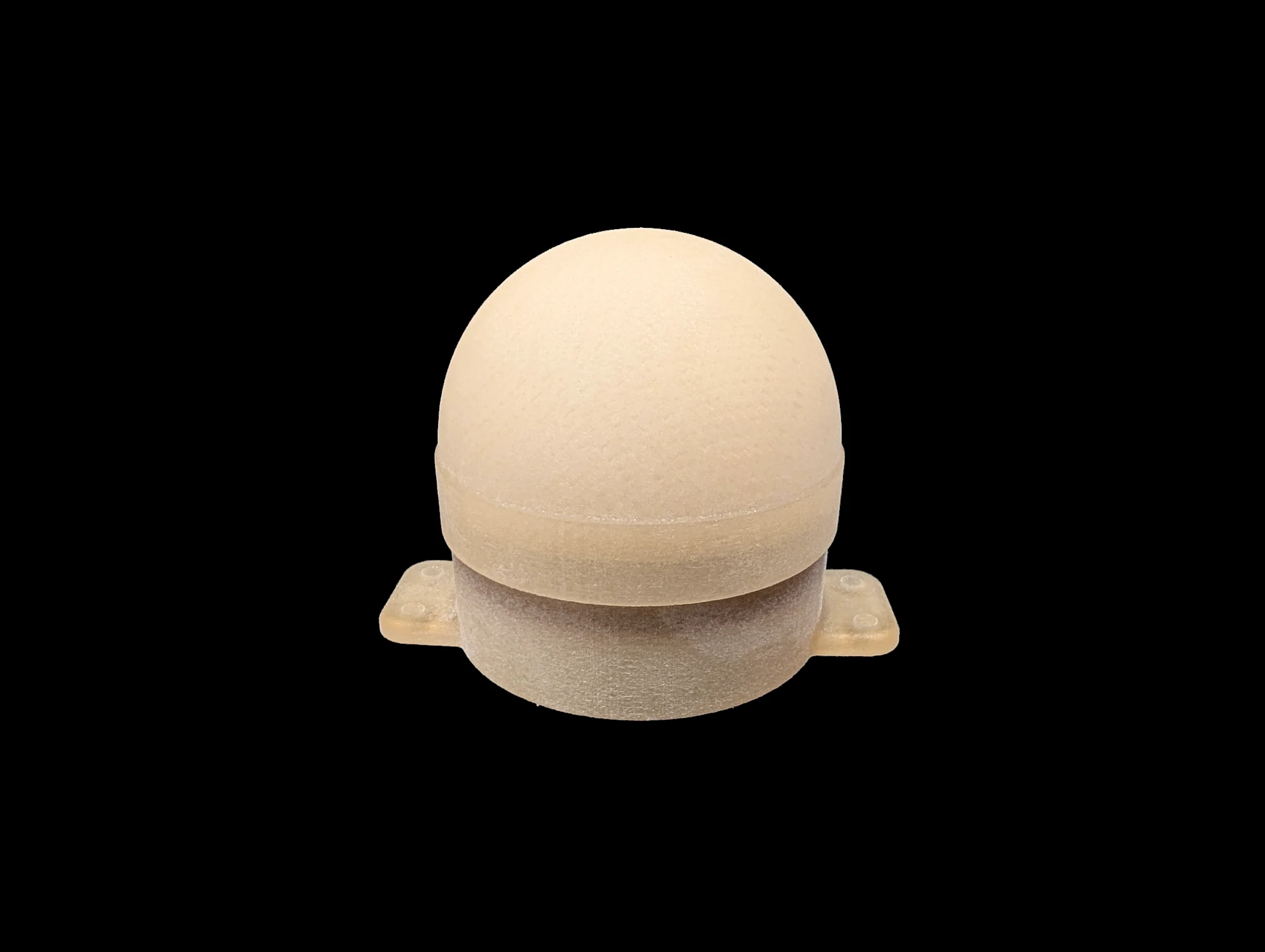
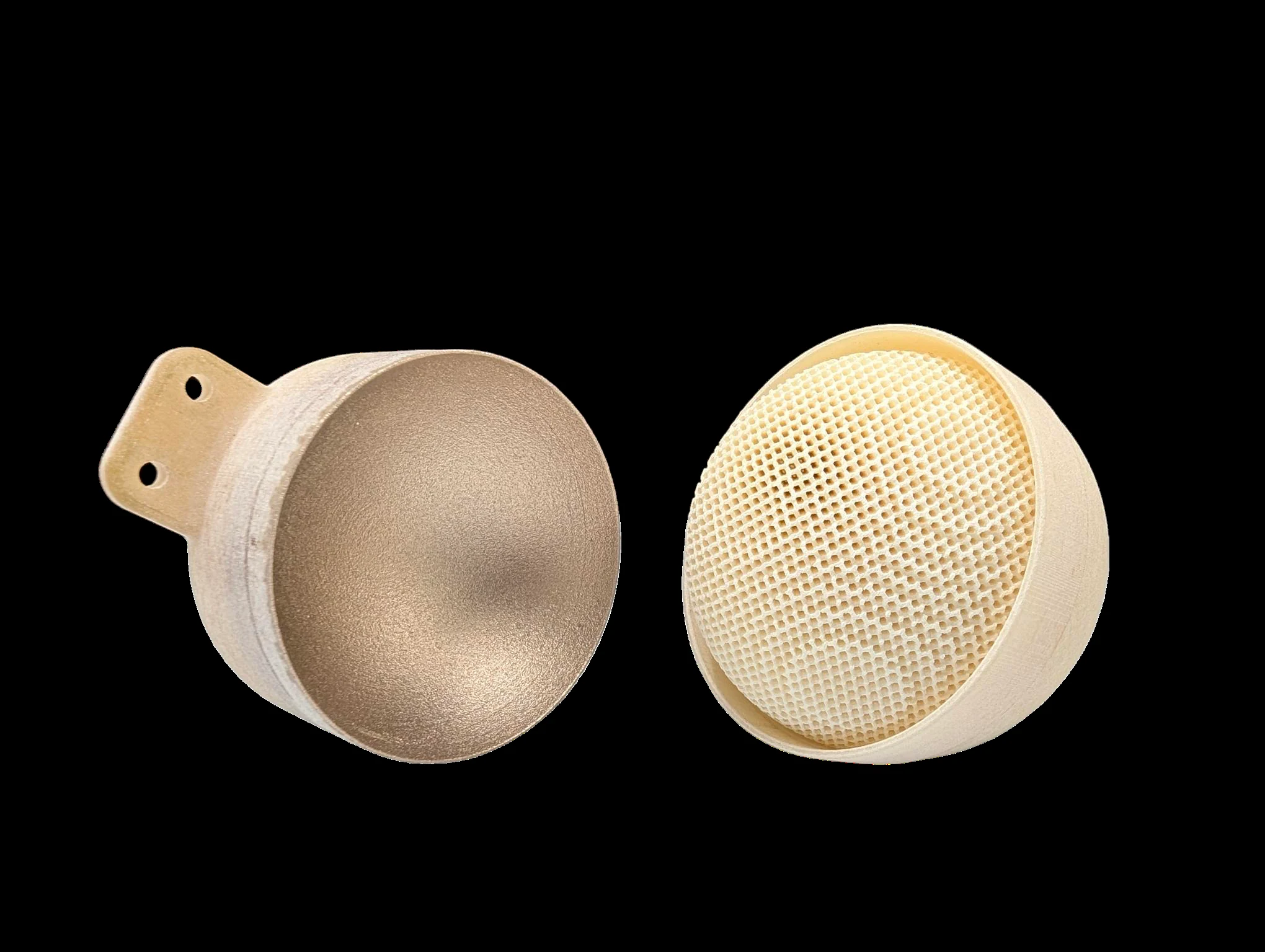
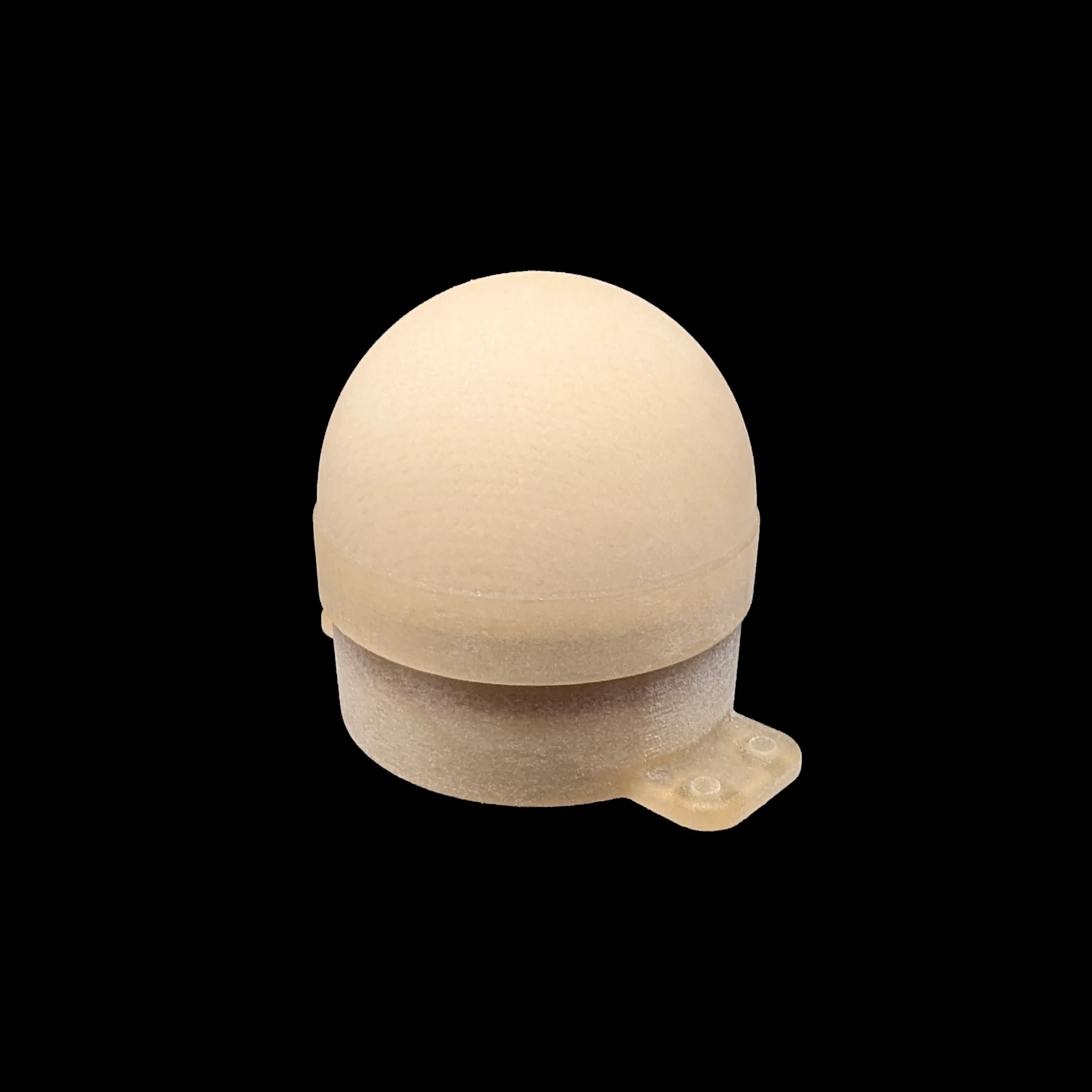
Assembled Luneburg retroreflector with a domed radome, cylindrical base and mounting tabs.
PHOTOGRAPH / RETROREFLECTOR WITH RADOME AND MOUNT
Lens + shellIntegrated application reference

EVIDENCE / WITH CONTEXT

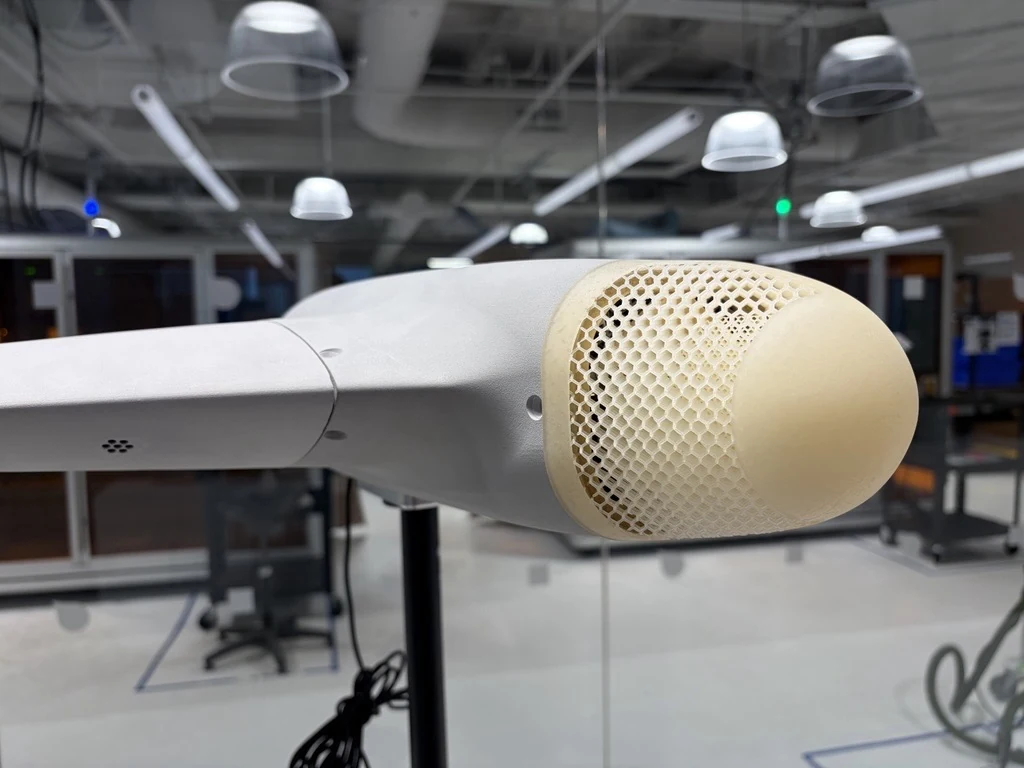
Inkbit's drone spotlight includes a custom GRIN lens with a conformal radome. It provides a concrete integration reference, while transmission and environmental performance for a new enclosure must be established for that design.

Read integrated lens / radome example

INTEGRATION / MONOLITHIC GEOMETRY

Engineer the complete interface.

Evaluate the lens, protective envelope and mounting together. Feed alignment and dielectric geometry are part of the same engineering brief.

Inspect the demonstrated assembly
INKBIT ARC / ENGINEERING PRINCIPLESCHEMATIC
ABC
A

Mounting interface

B

Lens and enclosure envelope

C

Illustrative signal path

Conceptual geometry. Not to scale; not a measured radiation pattern.

01

Treat the cover as part of the RF design.

An enclosure sits in the signal path as well as around the hardware. Define frequency, polarization, scan angles, and acceptable insertion loss before settling on shell thickness and shape. Review the assembled structure with the antenna it protects.

02

Build around interfaces and access.

Mounting points, clearances, cable paths, and service access constrain the geometry. Share these early so the review can identify which features belong in a printed dielectric part and which require separate hardware or assembly steps.

03

Specify the environment explicitly.

Temperature, moisture, UV exposure, vibration, sealing, and expected service life are separate requirements. The measured dielectric properties of COT do not establish an ingress rating or aerospace qualification. Agree on the relevant mechanical and RF tests for the intended use.

A USEFUL STARTING BRIEF

Bring the constraints.
We can start there.

These inputs help scope your review. Share what is available now; the rest can follow in discussion.

  • 01Operating band, scan angles, and polarization
  • 02Maximum acceptable insertion loss
  • 03Envelope, wall constraints, and mounting interfaces
  • 04Exposure, sealing, service life, and qualification needs

APPLICATION NOTES

Before you build.

Is every COT enclosure RF-transparent?

No. Material properties are one input. Thickness, geometry, frequency, and the complete assembly determine transmission behavior. Your enclosure needs design-specific evaluation.

Can a radome follow a curved platform surface?

A conformal radome is a demonstrated design direction. Share the surface and envelope so Inkbit can assess manufacturability and the RF implications for your geometry.

Can I request an environmental rating?

Include the rating or test standard in the brief. Required qualification, test responsibility, and acceptance criteria need agreement before a production commitment.

MARKETS / CONNECT THE COMPONENT TO THE SYSTEM

Where this component could fit.

Explore the system context, the starting brief and the limits of the available evidence.

THE EVIDENCE BEHIND THIS APPLICATION

Open the reference. Keep the context.

Compare frequencies and configuration limits ↗

TAKE THE ENGINEERING REFERENCE WITH YOU

Integrated lens and radome spotlight

Review the demonstrated sensor, geometry, and reported results.

Download technical PDF

YOUR NEXT RF COMPONENT / START HERE

Give Your RF Idea a Clear Next Step.

Tell us what you need the component to do. Start with a concept, a difficult geometry, or a design ready to evaluate.

  1. 01
    Describe the application.

    Select a component and share what you know.

  2. 02
    Connect with Inkbit.

    Add your contact details so the team can follow up.

  3. 03
    Define the development path.

    Discuss feasibility, inputs, and an appropriate next test.

No finished CAD required. Keep initial details non-confidential; you can request an NDA discussion below.

01 / YOUR PROJECT02 / CONNECT

What are you building?

Share what you know. Every project field is optional.

YOUR APPLICATIONRadome / enclosure

INDUSTRY CONTEXT

Where these capabilities fit.

Industry guideDielectric components for defense RF systems.Industry guideShape the signal for industrial sensing.Industry guideCustom dielectric components for radar systems.Industry guideDielectric components for automotive radar.Industry guideDielectric lenses for telecom and mmWave backhaul.
Compare bands and application evidence ↗