

HumanLLM view
Skip to content

INDUSTRIES / Defense

Dielectric components for defense RF systems.

Explore printed dielectric lenses, passive beamforming and radomes for defense communications and sensing development. Connect mission requirements to published component evidence.

Blueprint-style concept of an FPV drone, fighter aircraft and naval ship on a digital terrain.

Start with the mission. Design around the signal.

Defense communications and sensing programs put competing demands on aperture, coverage, mass and available space. The dielectric component needs to fit the platform and its electromagnetic requirements together.

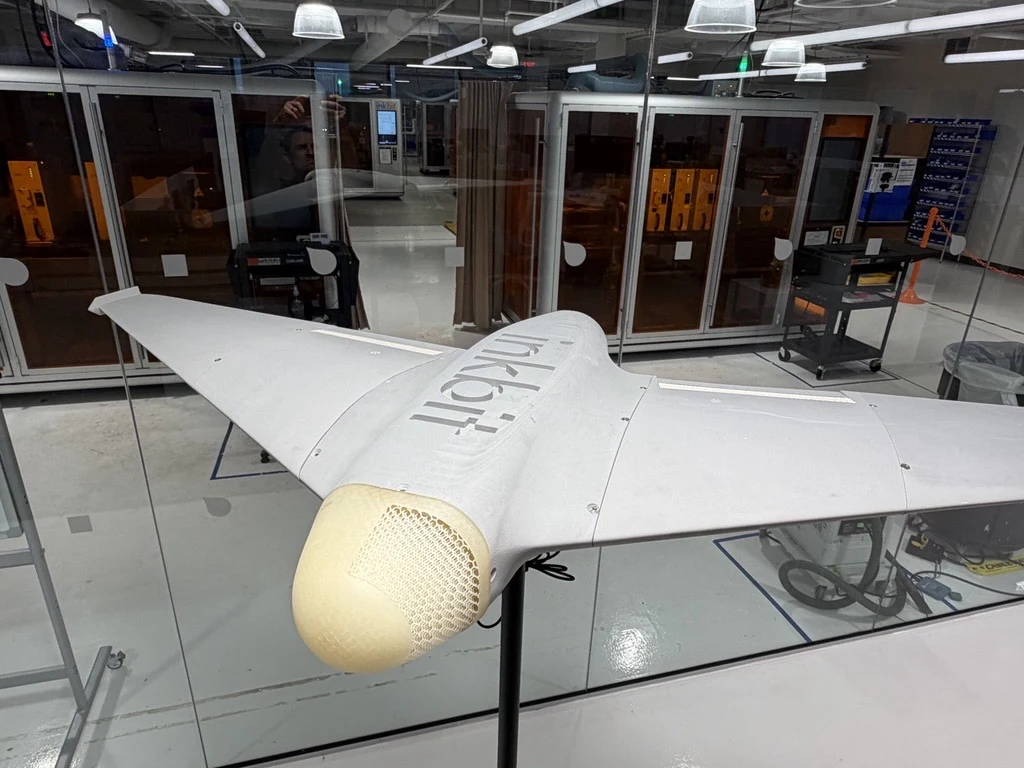
Inkbit combines design software, low-loss COT material and Vision-Controlled Jetting to manufacture complex dielectric geometries. Explore that capability for antenna and sensor development, from a shaped lens to an enclosure with a defined RF role.
DEFENSE / APERTURE ARCHITECTURE

Shape coverage around the mission.

Explore feed placement, aperture and beam direction as a connected design problem. Platform validation starts with a defined component brief.

Explore the component architecture
INKBIT ARC / ENGINEERING PRINCIPLESCHEMATIC
ABC
A

Feed architecture

B

Shared dielectric aperture

C

Directional coverage concept

Conceptual geometry. Not to scale; not a measured radiation pattern.

FROM INDUSTRY NEED TO ENGINEERING EVIDENCE

Explore the component. Check the evidence.

ApplicationGRIN & Luneburg LensesApplicationPassive RF BeamformingApplicationDrone & Compact Radar IntegrationApplicationRF Radomes & Dielectric EnclosuresApplicationDielectric Waveguides & RF FiltersApplicationCustom RF Dielectric ComponentsTechnical referenceCOT properties and measurement conditionsTechnical referenceBeamforming Drone Spotlight
Compare bands and application evidence ↗

Where to start the conversation.

  • Communications apertures: evaluate GRIN or Luneburg lens geometry against the intended feed, coverage and installation envelope.
  • Compact sensing payloads: explore custom lenses and mounting interfaces where mass and feed alignment matter.
  • Radomes and enclosures: review dielectric geometry alongside protection, assembly and antenna-pattern requirements.
  • Prototype iterations: compare component geometries before committing to a platform integration.

A compact component demonstration.

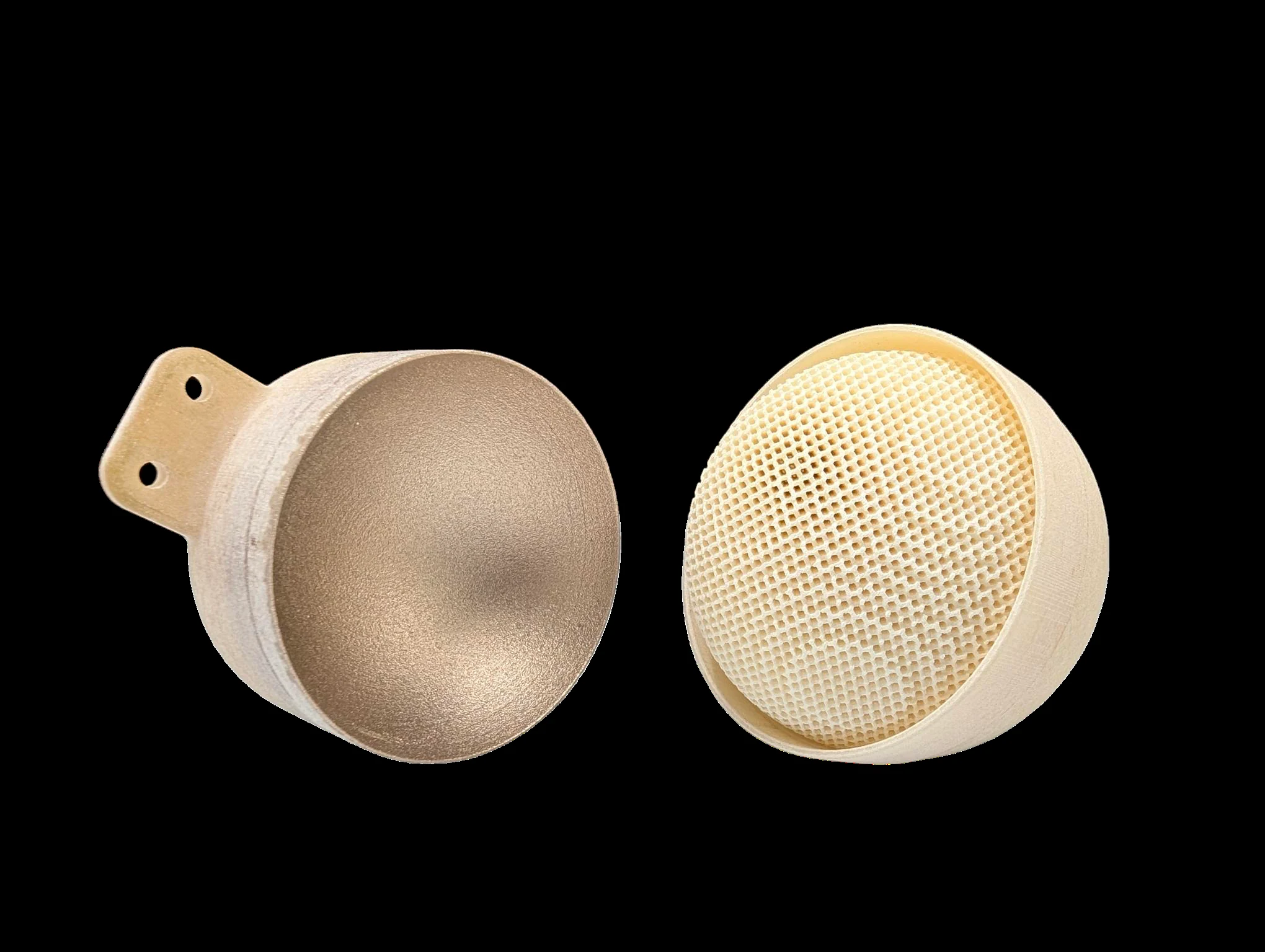
The drone beamforming spotlight documents a 30 mm custom GRIN lens with a conformal radome around a 60 GHz sensor. It reports antenna gain increasing from 7 dBi to 24 dBi in that demonstrated configuration.

This is a useful component reference for packaging and beamforming discussions. It does not establish qualification, field performance or a detection range for a new defense system. Keep the feed, geometry and measurement conditions attached to the result.

Read the drone beamforming reference ↗

Bring the integration constraints.

  • Operating band, polarization and the current antenna or sensor interface.
  • Aperture, field of view, scan needs and pattern targets.
  • Available volume, mass budget, mounting and assembly tolerances.
  • Environmental requirements, test plan, prototype quantity and program stage.
Can a published lens result become a system specification?

Use it to establish a starting point for engineering review. A new platform needs its own electromagnetic model, component measurements and integration testing. Share the intended use and acceptance criteria so the review can distinguish a material property, an antenna result and a complete system requirement.

YOUR NEXT RF COMPONENT / START HERE

Give Your RF Idea a Clear Next Step.

Tell us what you need the component to do. Start with a concept, a difficult geometry, or a design ready to evaluate.

  1. 01
    Describe the application.

    Select a component and share what you know.

  2. 02
    Connect with Inkbit.

    Add your contact details so the team can follow up.

  3. 03
    Define the development path.

    Discuss feasibility, inputs, and an appropriate next test.

No finished CAD required. Keep initial details non-confidential; you can request an NDA discussion below.

01 / YOUR PROJECT02 / CONNECT

What are you building?

Share what you know. Every project field is optional.

COMPONENT OR APPLICATION