HumanLLM view
Skip to content

INKBIT ARC / INDUSTRY GUIDES

Start with your industry.

Industry requirements, relevant component applications and the technical evidence needed to scope your next design.

SIGNALS THAT SHAPE TOMORROW / APPLICATION EXPLORER

Thirteen markets.
Start with your signal.

From satellite terminals to industrial sensing, explore where engineered dielectric geometry could fit. Each scenario connects to a component guide and the inputs needed for evaluation.

Space & satcom

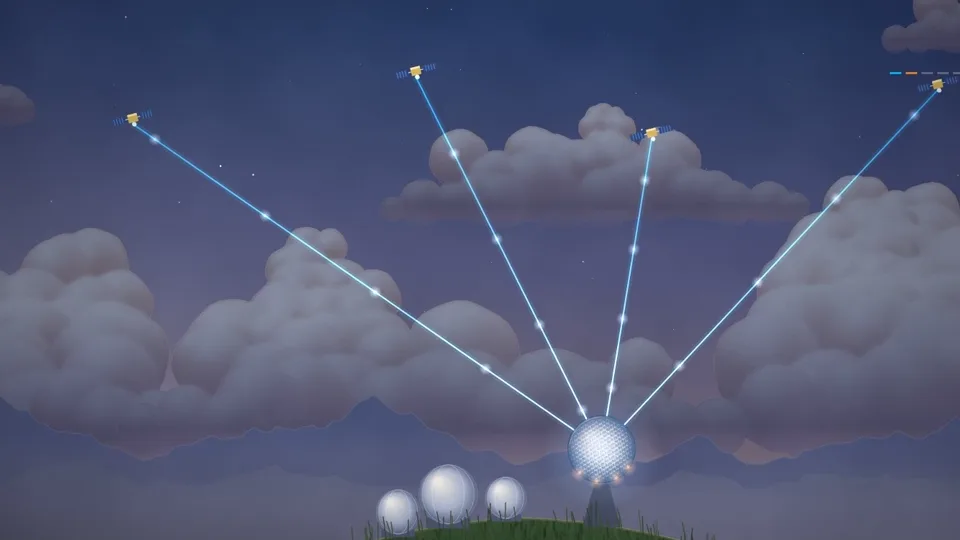
Illustrative satellite terminals scene from the ARC markets film
ARC FILM / APPLICATION CONCEPT

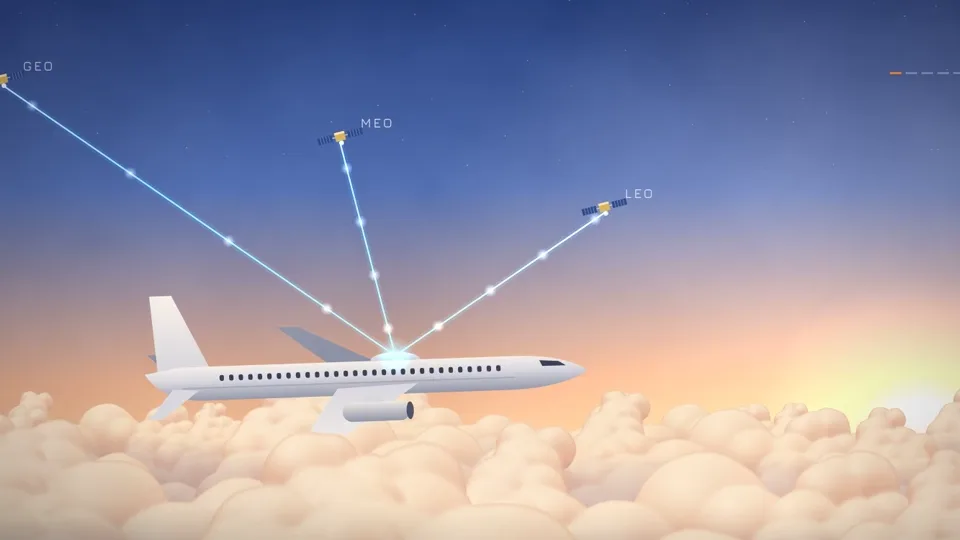
Satellite terminals

Connect across moving horizons.

Evaluate a dielectric aperture for a terminal whose beam coverage must fit a moving platform.

Evaluation inputs & evidence scope
  • Uplink and downlink bands
  • Scan range and feed positions
  • Aperture, radome and pointing constraints

Published passive beamforming is a component reference; terminal tracking and link closure require system validation.

Design limits & evaluation process
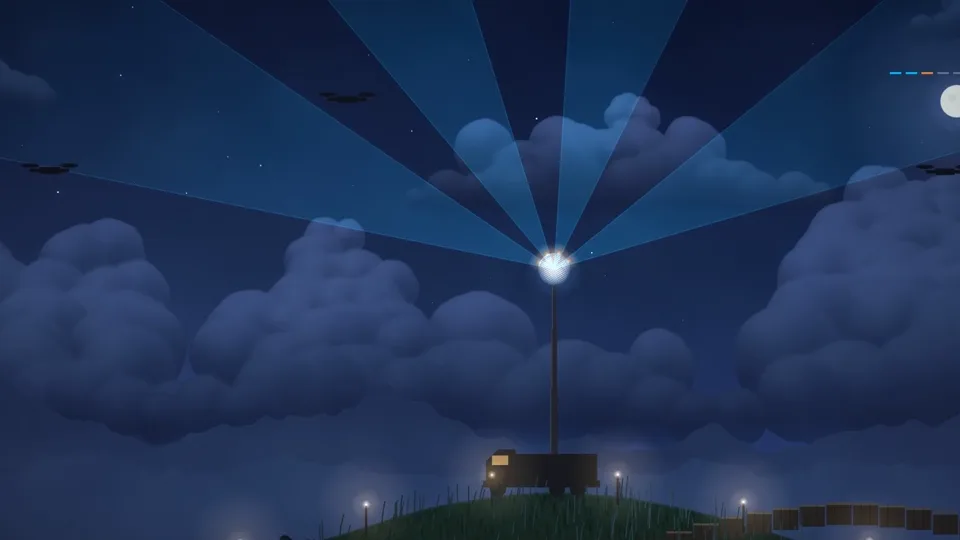
Illustrative ground stations & gateways scene from the ARC markets film
ARC FILM / APPLICATION CONCEPT

Ground stations & gateways

Build around the coverage requirement.

Explore a lens-fed aperture for ground infrastructure with defined beams, feeds and link requirements.

Evaluation inputs & evidence scope
  • Band and polarization
  • Required beam coverage and gain
  • Feed arrangement and aperture envelope

Published Luneburg lens research informs aperture evaluation, not gateway availability or network performance.

Design limits & evaluation process

Defense & security

Illustrative counter-uas & base defense scene from the ARC markets film
ARC FILM / APPLICATION CONCEPT

Counter-UAS & base defense

Shape coverage around the site.

Evaluate passive lens geometries for sensor coverage with multiple directions or constrained installations.

Evaluation inputs & evidence scope
  • Coverage sectors and operating band
  • Sensor and feed architecture
  • Mounting and environmental requirements

Lens measurements do not establish drone detection range, classification accuracy or field qualification.

Design limits & evaluation process
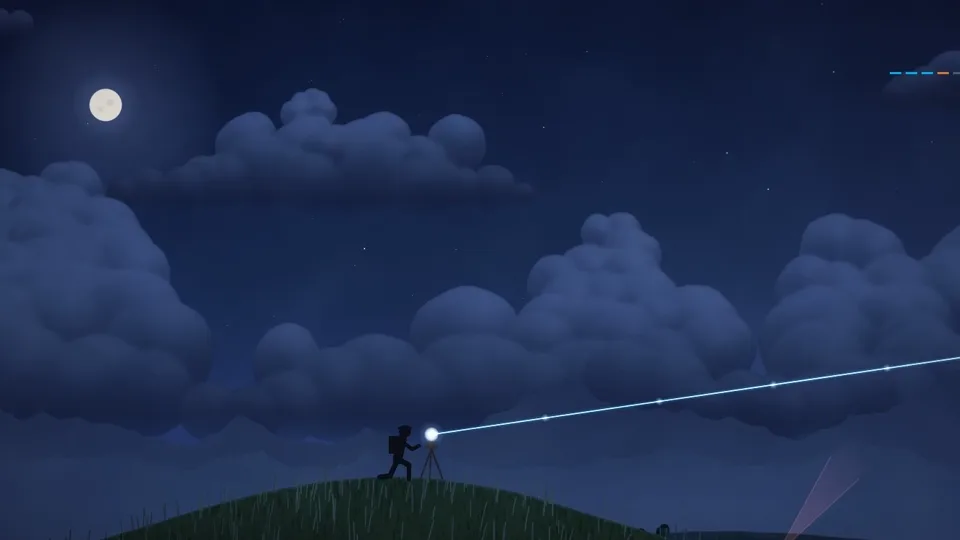
Illustrative tactical links & portable radar scene from the ARC markets film
ARC FILM / APPLICATION CONCEPT

Tactical links & portable radar

Fit the aperture to the mission.

Scope compact dielectric components around a portable radio or radar architecture.

Evaluation inputs & evidence scope
  • Link or radar operating band
  • Weight and package envelope
  • Beamwidth, polarization and exposure

Passive beamforming and integrated radome references are starting points; tactical-system performance remains design-specific.

Design limits & evaluation process
Illustrative radar targets & calibration scene from the ARC markets film
ARC FILM / APPLICATION CONCEPT

Radar targets & calibration

Define the return you need.

Explore lens and reflector arrangements for a controlled radar-return reference.

Evaluation inputs & evidence scope
  • Radar cross-section target
  • Band, incidence angles and polarization
  • Reflector geometry and test method

Lens and assembly photographs show manufactured hardware. Calibrated radar cross-section requires its own measurement.

Design limits & evaluation process
Illustrative electronic warfare & sigint scene from the ARC markets film
ARC FILM / APPLICATION CONCEPT

Electronic warfare & SIGINT

Explore a wider receive field.

Investigate passive apertures for a receiving architecture with angular coverage and bandwidth requirements.

Evaluation inputs & evidence scope
  • Receive band and angular coverage
  • Feed or receiver arrangement
  • Calibration and polarization requirements

Exploratory system application. Lens results do not establish interception, direction-finding or electronic-warfare capability.

Design limits & evaluation process

Mobility & autonomy

Illustrative automotive imaging radar scene from the ARC markets film
ARC FILM / APPLICATION CONCEPT

Automotive imaging radar

Shape perception around the vehicle.

Evaluate lens and enclosure geometry against a radar module and its mounting constraints.

Evaluation inputs & evidence scope
  • Radar band and module interface
  • Field of view and mounting location
  • Temperature, vibration and ingress requirements

The compact-radar demonstration is relevant component evidence, not automotive qualification or vehicle-level validation.

Design limits & evaluation process

Illustrative drones & uncrewed aircraft scene from the ARC markets film
ARC FILM / APPLICATION CONCEPT

Drones & uncrewed aircraft

Bring the lens into the airframe.

Start from the demonstrated compact radar lens and conformal radome, then scope your own payload.

Evaluation inputs & evidence scope
  • Radar sensor and operating band
  • Payload mass and available envelope
  • Field of view and environmental conditions

Demonstrated compact-radar reference. Reported results apply to the spotlight configuration, not every aircraft or sensor.

Design limits & evaluation process
Telecom & networks

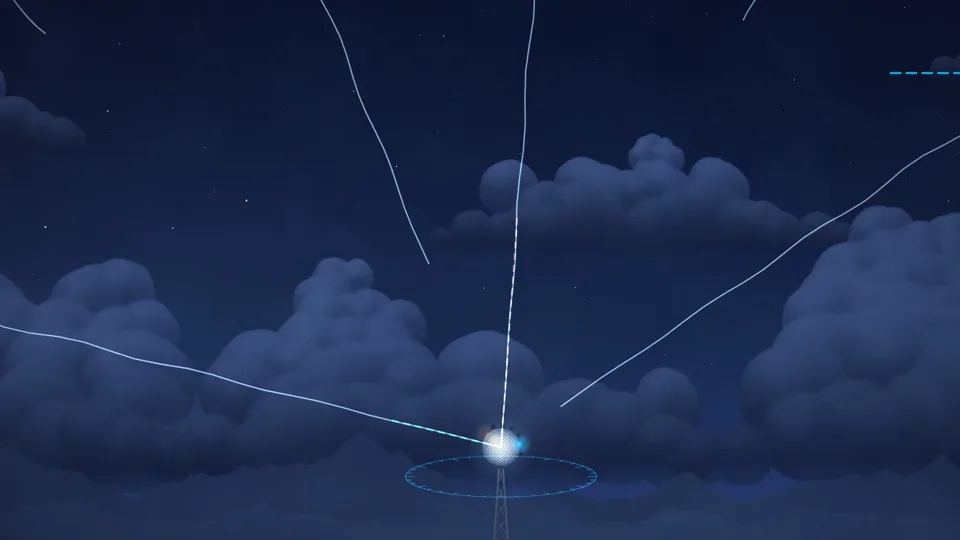
Illustrative 5g fr2 & 6g research scene from the ARC markets film
ARC FILM / APPLICATION CONCEPT

5G FR2 & 6G research

Evaluate the next aperture.

Explore dielectric beam shaping for a defined radio band, aperture and feed architecture.

Evaluation inputs & evidence scope
  • Exact band and bandwidth
  • Scan range and polarization
  • Array or feed interface and packaging

Exploratory telecom application. Published lens operation does not establish 5G compliance or future 6G system performance.

Design limits & evaluation process
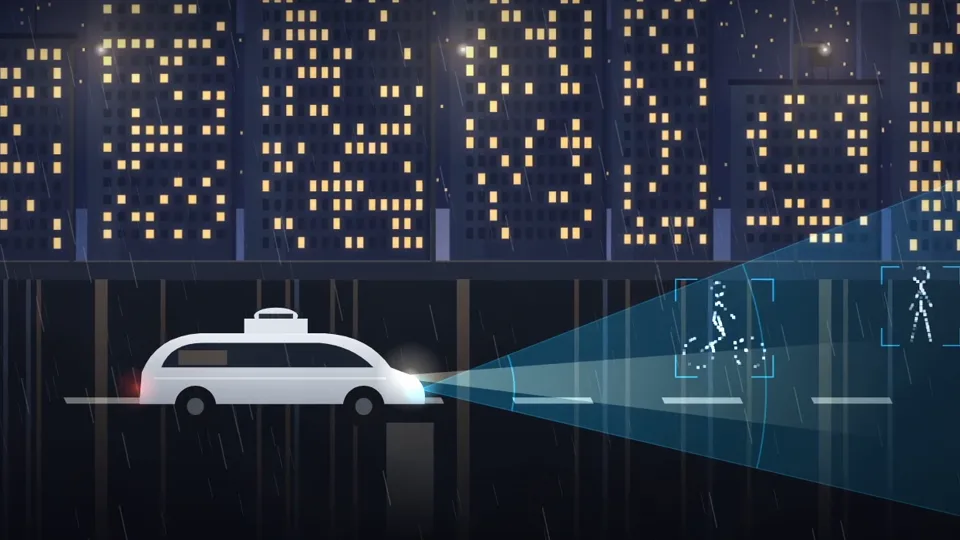
Illustrative backhaul & fixed wireless scene from the ARC markets film
ARC FILM / APPLICATION CONCEPT

Backhaul & fixed wireless

Focus on the link geometry.

Evaluate a passive aperture for a fixed link with specified alignment, bandwidth and package limits.

Evaluation inputs & evidence scope
  • Operating band and link budget
  • Antenna envelope and beam requirements
  • Alignment and outdoor qualification needs

Component measurements support feasibility review; link availability, capacity and weather performance require system tests.

Design limits & evaluation process
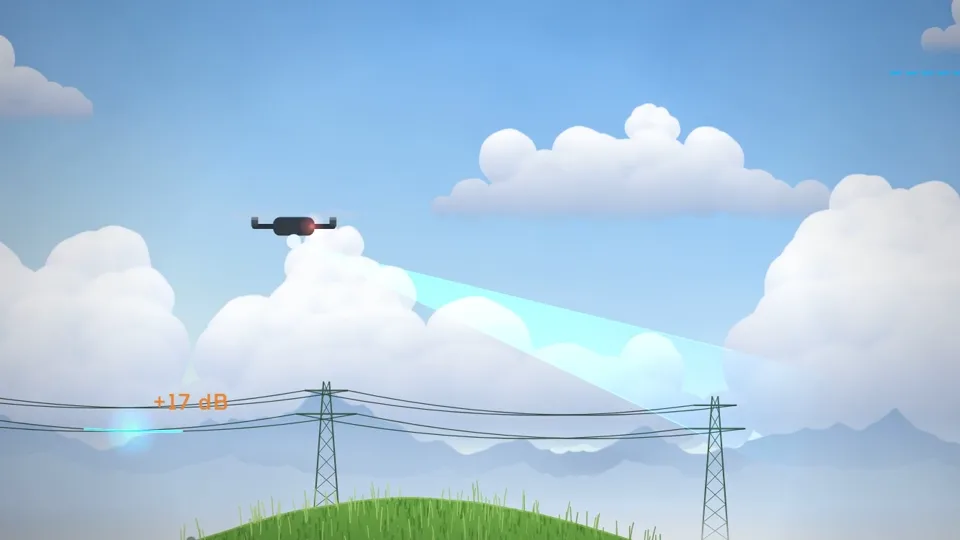
Industrial, test & security

Illustrative industrial radar sensing scene from the ARC markets film
ARC FILM / APPLICATION CONCEPT

Industrial radar sensing

Fit the beam to the process.

Investigate lens and enclosure geometries for a sensing task inside a constrained industrial installation.

Evaluation inputs & evidence scope
  • Measurement task and operating band
  • Standoff, beamwidth and housing envelope
  • Chemical, temperature and ingress exposure

Exploratory industrial application. Neither bulk material data nor a radar demonstration qualifies a new process sensor.

Design limits & evaluation process

Illustrative test & measurement scene from the ARC markets film
ARC FILM / APPLICATION CONCEPT

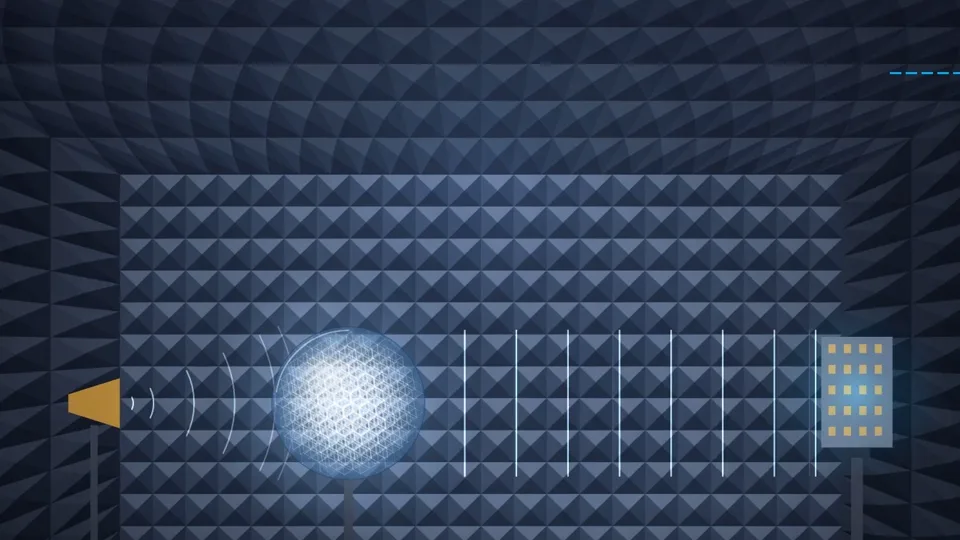
Test & measurement

Start with the measurement volume.

Explore a dielectric lens as part of a laboratory field-shaping or antenna measurement setup.

Evaluation inputs & evidence scope
  • Frequency sweep and test geometry
  • Field uniformity and measurement volume
  • Calibration and acceptance criteria

Published lens results are relevant references. Quiet-zone quality and measurement uncertainty must be characterized separately.

Design limits & evaluation process

Illustrative security screening & mmwave imaging scene from the ARC markets film
ARC FILM / APPLICATION CONCEPT

Security screening & mmWave imaging

Explore the imaging aperture.

Assess dielectric geometry for a proposed imaging architecture, with resolution and coverage targets defined first.

Evaluation inputs & evidence scope
  • Operating band and imaging geometry
  • Resolution, coverage and standoff targets
  • Receiver arrangement and system test plan

Exploratory imaging application. Lens and material measurements do not demonstrate screening accuracy or an approved screening system.

Design limits & evaluation process
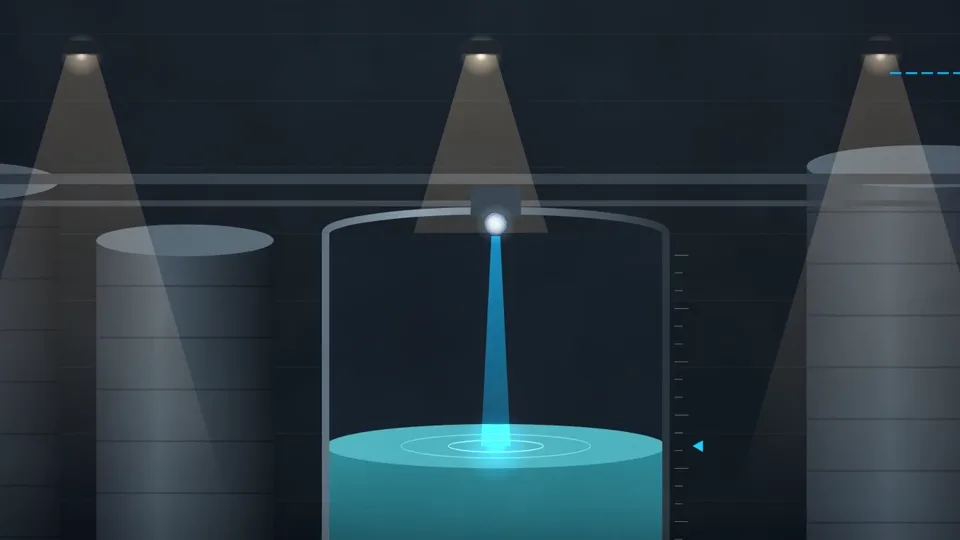
Have a system in mind?

Start with the operating band, available envelope and target behavior. A finished CAD model is not required.

Start an engineering review

CORE INDUSTRY GUIDES

Go deeper into the requirements.

Blueprint-style concept of an FPV drone, fighter aircraft and naval ship on a digital terrain.

Defense

Dielectric components for defense RF systems.

Explore printed dielectric lenses, passive beamforming and radomes for defense communications and sensing development. Connect mission requirements to published component evidence.

Explore this industry ↗
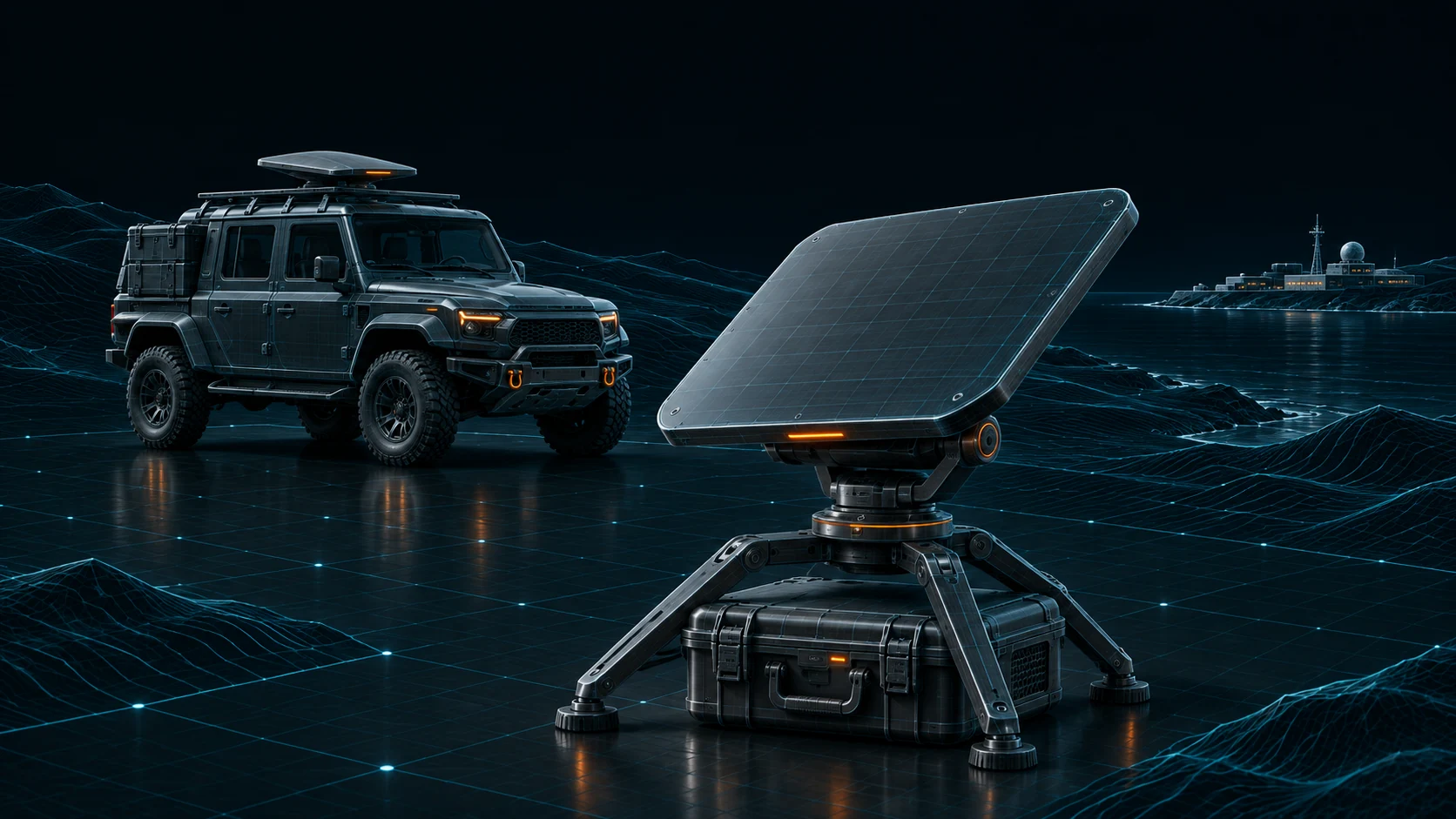
Blueprint-style concept of a portable flat-panel satellite terminal and a vehicle terminal beside a coastal station.

Satcom

Dielectric components for satellite communications.

Evaluate GRIN and Luneburg lenses, passive beamforming and custom dielectric geometries for satellite communication terminal development, with configuration-specific technical evidence.

Explore this industry ↗
Blueprint-style concept of an autonomous inspection rover with a sensor mast inside a digital factory.

Sensing

Shape the signal for industrial sensing.

Explore custom dielectric components for industrial radar and sensing development. Connect coverage, packaging and material requirements to application guides and measured evidence.

Explore this industry ↗
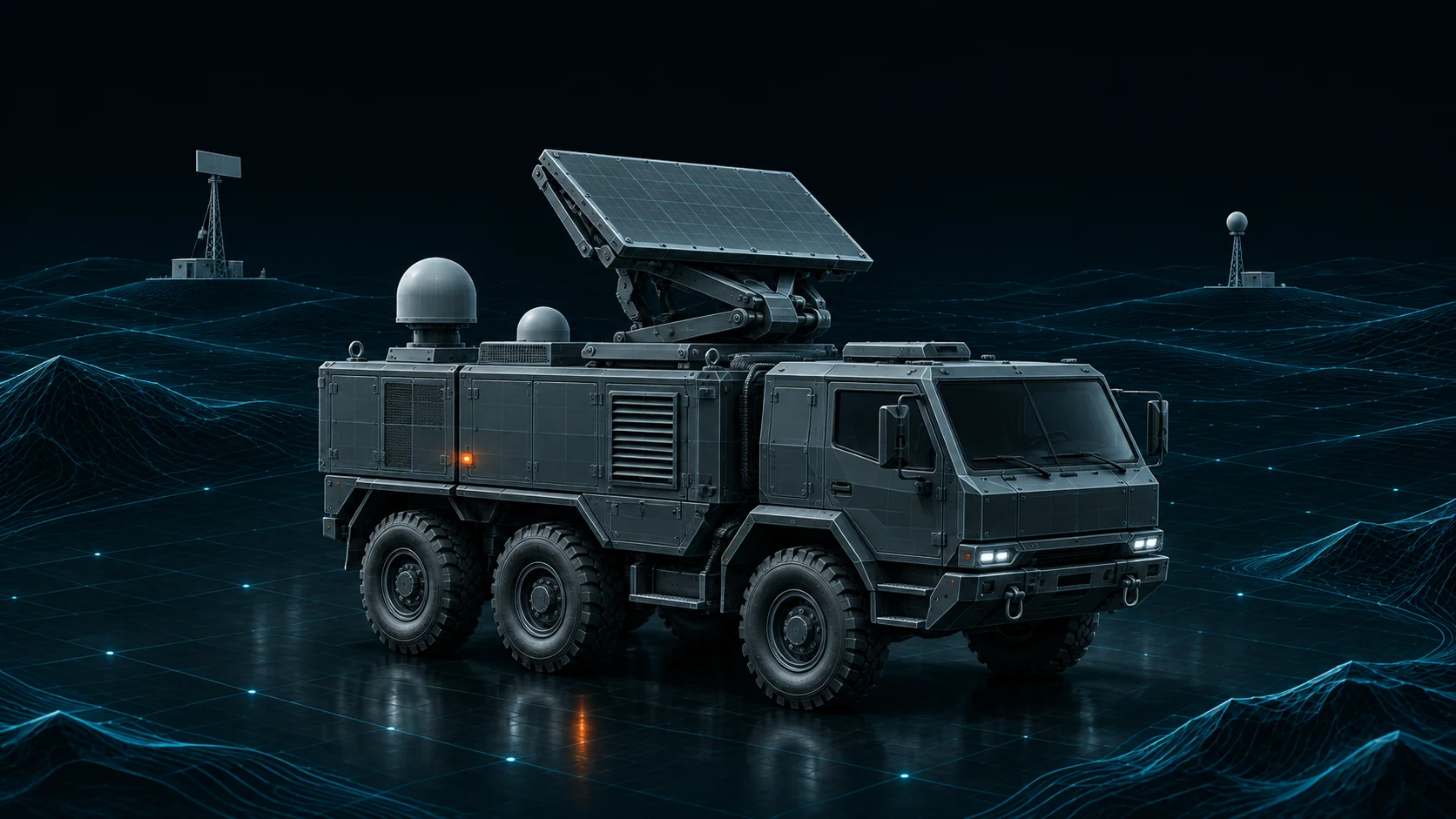
Blueprint-style concept of a six-wheel sensor support vehicle with a roof-mounted radar array.

Radar

Custom dielectric components for radar systems.

Explore GRIN lenses, passive beamforming and radome integration for radar development. Use published antenna demonstrations to define a configuration-specific engineering review.

Explore this industry ↗
Blueprint-style concept of an autonomous crossover with integrated sensors in a digital city.

Automotive

Dielectric components for automotive radar.

Evaluate custom dielectric lenses and enclosure geometries for automotive radar development. Connect vehicle packaging and coverage requirements to component evidence and prototype validation.

Explore this industry ↗
Illustrative telecom antenna scene from the ARC market film.

Telecom & backhaul

Dielectric lenses for telecom and mmWave backhaul.

Evaluate COT dielectric lenses for 5G FR2, fixed wireless access and point-to-point backhaul. Define feed, coverage, alignment and component validation requirements.

Explore this industry ↗

CONNECT THE REQUIREMENT TO THE REFERENCE

Keep exploring the signal path.