

HumanLLM view
Skip to content

INDUSTRIES / Telecom & backhaul

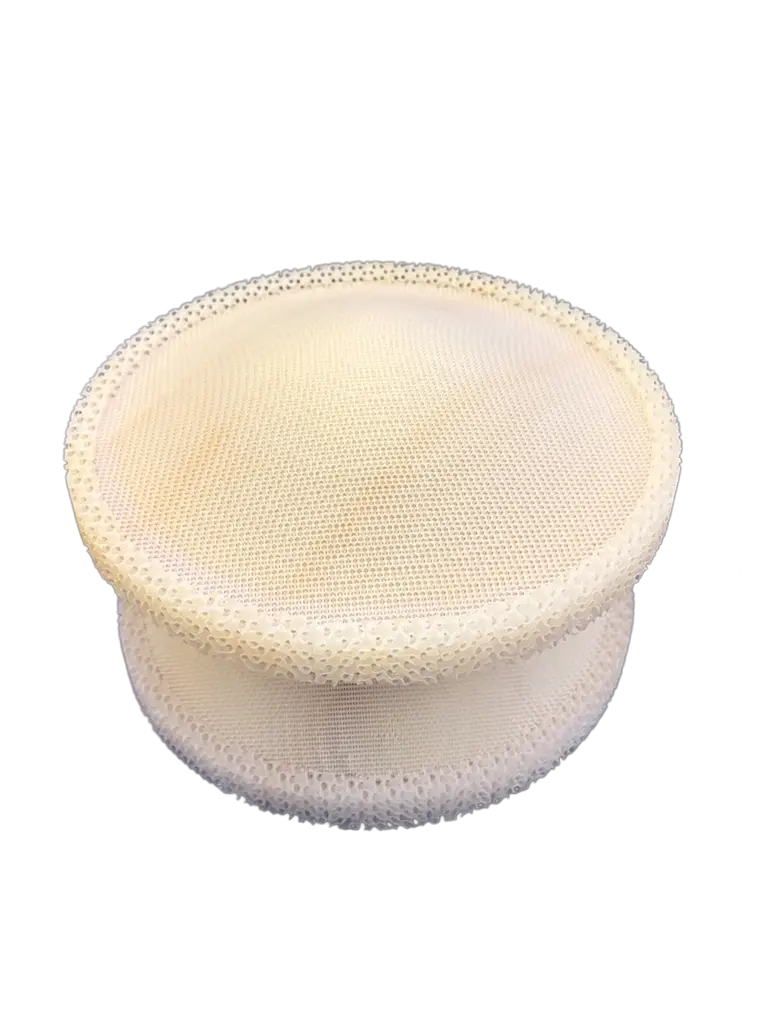
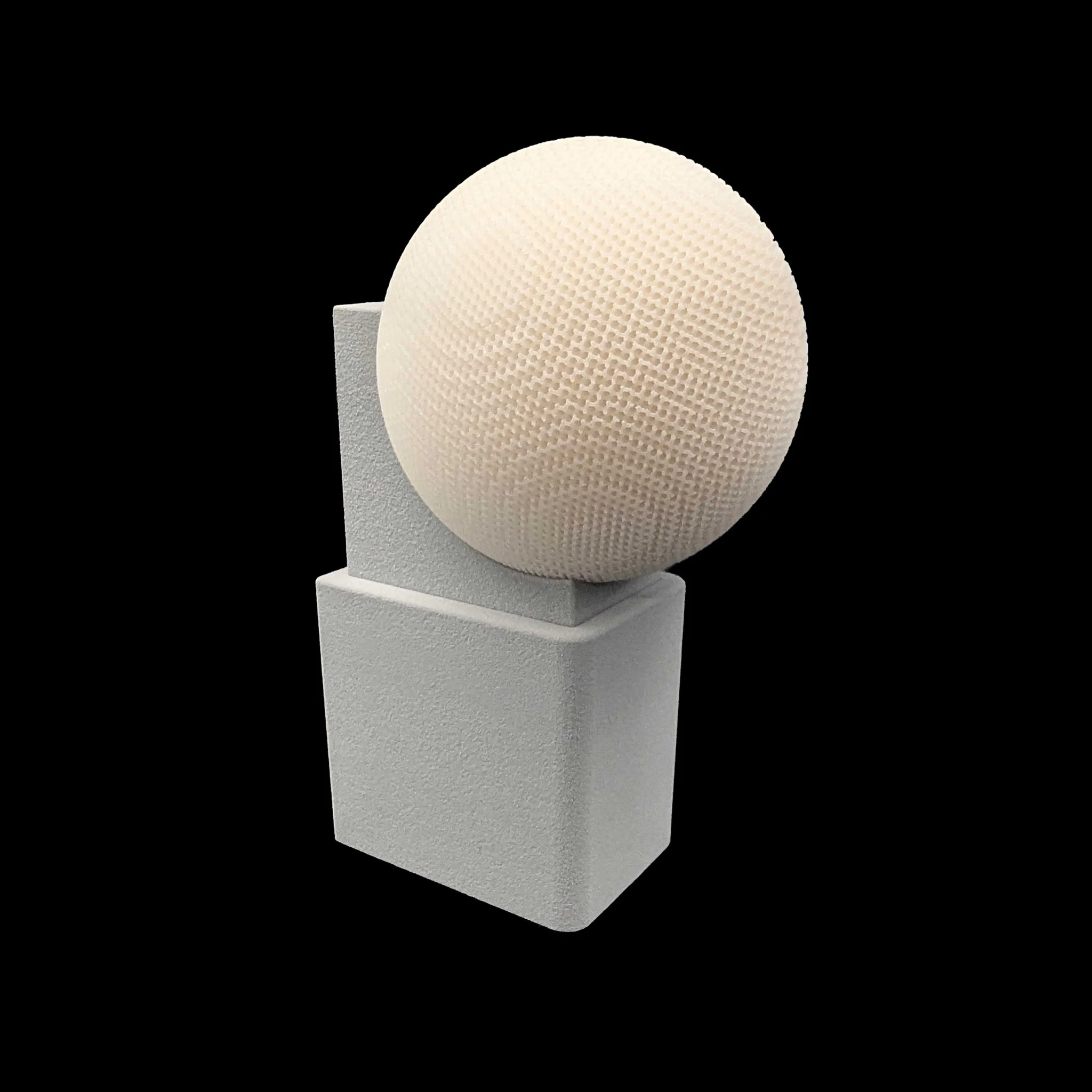
Dielectric lenses for telecom and mmWave backhaul.

Evaluate COT dielectric lenses for 5G FR2, fixed wireless access and point-to-point backhaul. Define feed, coverage, alignment and component validation requirements.

Illustrative telecom antenna scene from the ARC market film.
Industry concept illustration. AI-generated; not an Inkbit installation or product photograph.

Connect the aperture to the network requirement.

A telecom antenna design begins with the intended band, link geometry and available aperture. Explore dielectric lenses for a fixed wireless access terminal, a directional 5G FR2 aperture or a point-to-point backhaul prototype. These are development paths, not claims of a qualified network product.

Inkbit manufactures custom dielectric geometry using COT and Vision-Controlled Jetting. Start with the required beam pattern and feed arrangement, then evaluate the geometry alongside the radio, installation and link budget.
TELECOM / POINT-TO-POINT LINK

Give the link a clear path.

Evaluate antenna apertures and alignment with the link geometry. Fresnel clearance, site conditions and the radio complete the engineering problem.

Explore lens antennas
INKBIT ARC / ENGINEERING PRINCIPLESCHEMATIC
ABC
A

Transmit / receive aperture

B

Illustrative Fresnel region

C

Remote aperture

Conceptual geometry. Not to scale; not a measured radiation pattern.

FROM INDUSTRY NEED TO ENGINEERING EVIDENCE

Explore the component. Check the evidence.

ApplicationGRIN & Luneburg LensesApplicationPassive RF BeamformingApplicationRF Radomes & Dielectric EnclosuresTechnical referenceCOT properties and measurement conditionsTechnical referenceCheshir GRIN Application SpotlightTechnical referenceLuneburg Lens SpecificationsTechnical referenceLuneburg lens research / Bonner et al. (2026)
Compare bands and application evidence ↗

Define the link before choosing the lens.

  • 5G FR2 and fixed wireless access: specify the exact operating band, bandwidth, polarization, feed layout and required coverage.
  • Point-to-point backhaul: define separation, alignment, antenna aperture, installation envelope and the link budget.
  • Multi-beam concepts: evaluate feed placement, isolation and switching alongside the passive lens.
  • Outdoor integration: consider radome geometry, mounting, exposure and the measurement plan.

Start with published component evidence.

Bonner et al. (2026) report Luneburg lens measurements for specific printed geometries. Use the DOI-linked research alongside the configuration sheet. Neither document establishes a complete telecom terminal, throughput, availability or deployment qualification.

Read the Delaware and Inkbit research ↗

Keep partner architecture in context.

Cheshir Industries designed the compound GRIN lens shown in its application spotlight; Inkbit manufactured it using COT and VCJ. Its reported directivity, field of view and operating range belong to that design.

Review the Cheshir application ↗

Bring a useful engineering brief.

  • Band, polarization, bandwidth and the current radio or feed.
  • Gain, beamwidth, scan coverage, sidelobe and isolation targets.
  • Aperture, lens-to-feed spacing, alignment tolerances and package volume.
  • Installation conditions, radome requirements, prototype quantity and acceptance measurements.
Does a passive lens set throughput or network availability?

A lens shapes the antenna response. Radio performance, spectrum, interference, propagation, alignment and network design also affect the link. Validate the complete installation against the intended operating conditions.

YOUR NEXT RF COMPONENT / START HERE

Give Your RF Idea a Clear Next Step.

Tell us what you need the component to do. Start with a concept, a difficult geometry, or a design ready to evaluate.

  1. 01
    Describe the application.

    Select a component and share what you know.

  2. 02
    Connect with Inkbit.

    Add your contact details so the team can follow up.

  3. 03
    Define the development path.

    Discuss feasibility, inputs, and an appropriate next test.

No finished CAD required. Keep initial details non-confidential; you can request an NDA discussion below.

01 / YOUR PROJECT02 / CONNECT

What are you building?

Share what you know. Every project field is optional.

COMPONENT OR APPLICATION