

HumanLLM view
Skip to content

INDUSTRIES / Sensing

Shape the signal for industrial sensing.

Explore custom dielectric components for industrial radar and sensing development. Connect coverage, packaging and material requirements to application guides and measured evidence.

Blueprint-style concept of an autonomous inspection rover with a sensor mast inside a digital factory.

Focus on the measurement that matters.

An industrial sensor needs to observe the right region from the space it is given. Equipment housings, mounting positions and surrounding structures can constrain how the antenna and dielectric component fit together.

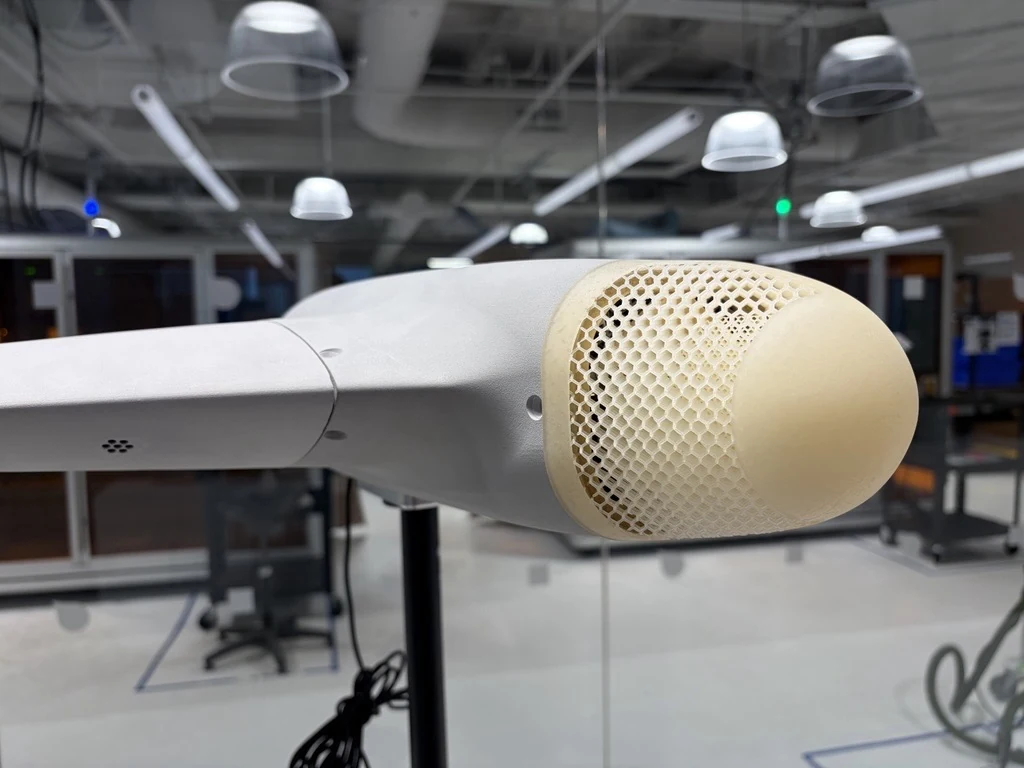
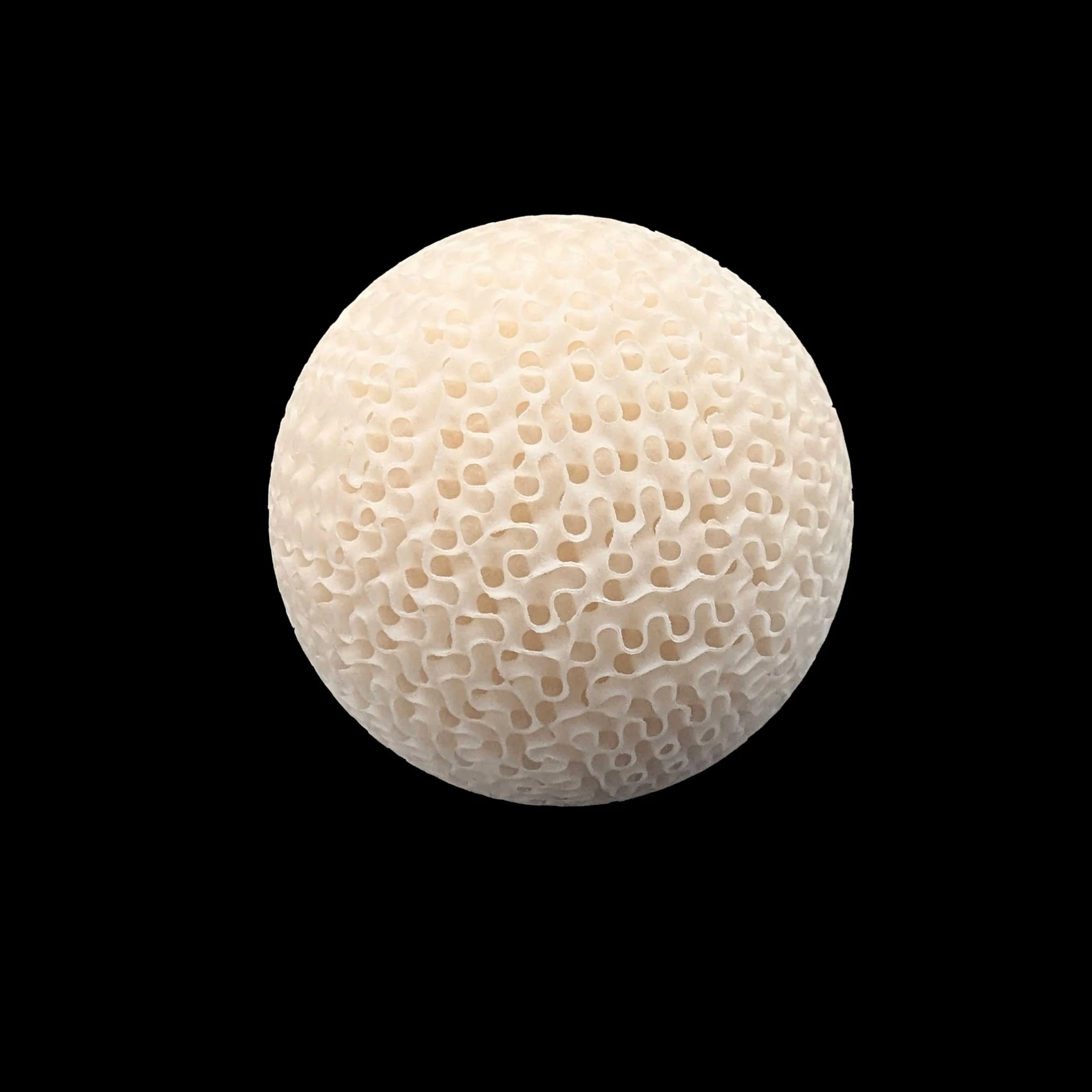
Inkbit provides a way to manufacture complex dielectric geometry for that integration work. Bring the sensing task, operating band and enclosure concept to an engineering review, then evaluate the component against the complete measurement setup.
SENSING / MEASUREMENT GEOMETRY

Put the region of interest in focus.

Define the sensing region and installation before selecting a lens or radome. The component, sensor and surroundings are evaluated together.

Explore custom dielectric geometry
INKBIT ARC / ENGINEERING PRINCIPLESCHEMATIC
ABC
A

Sensor and aperture

B

Region of interest

C

Measurement target

Conceptual geometry. Not to scale; not a measured radiation pattern.

FROM INDUSTRY NEED TO ENGINEERING EVIDENCE

Explore the component. Check the evidence.

ApplicationPassive RF BeamformingApplicationRF Radomes & Dielectric EnclosuresApplicationCustom RF Dielectric ComponentsTechnical referenceCOT properties and measurement conditionsTechnical referencemmWave Application Examples
Compare bands and application evidence ↗

Start with the sensing task.

  • Presence and zone monitoring: define the region the sensor must observe and the surrounding scene.
  • Level and distance measurement: review the desired beam shape, mounting and target conditions.
  • Factory equipment integration: evaluate enclosure geometry and the sensor’s position within the assembly.
  • Prototype evaluation: compare dielectric geometries using a consistent antenna, target and measurement method.

Material measurements with their context intact.

The October 2026 COT Sample A reference reports a loss tangent, Df, of 0.0013 at 100 GHz. The COT page separates that dated result from earlier measurements and from component operating limits.

Use the material evidence as an input to design evaluation. Sensor accuracy, coverage and detection behavior must be established with the chosen antenna, signal processing, target and environment.

Review COT measurement context ↗

Describe the measurement environment.

  • Target type, working distance and the region to observe.
  • Operating band, antenna or sensor module and desired beam pattern.
  • Housing geometry, mounting location and nearby structures.
  • Temperature, contamination or moisture exposure and the intended test method.

Turn the application into a component brief.

Share the current assembly and the limitation you are trying to resolve. The next step is to agree on a candidate geometry, an integration interface and measurable acceptance criteria. This keeps the discussion tied to a useful experiment, whether you are exploring a new sensor package or revising an existing prototype.

Can a dielectric component determine sensor accuracy?

It is one part of the system. Geometry and material properties influence the antenna response, while the electronics, processing, target and installation also shape the measurement. Evaluate the complete sensor under representative conditions before making an accuracy or reliability claim.

YOUR NEXT RF COMPONENT / START HERE

Give Your RF Idea a Clear Next Step.

Tell us what you need the component to do. Start with a concept, a difficult geometry, or a design ready to evaluate.

  1. 01
    Describe the application.

    Select a component and share what you know.

  2. 02
    Connect with Inkbit.

    Add your contact details so the team can follow up.

  3. 03
    Define the development path.

    Discuss feasibility, inputs, and an appropriate next test.

No finished CAD required. Keep initial details non-confidential; you can request an NDA discussion below.

01 / YOUR PROJECT02 / CONNECT

What are you building?

Share what you know. Every project field is optional.

COMPONENT OR APPLICATION